Entity resolution for private companies
A checklist for names, domains, locations, subsidiaries, and conflicting events.


Data coverage
A useful company profile distinguishes reported facts, provider classifications, estimated attributes, and analyst inference. Coverage should be tested against your exact market rather than summarized by a universal number.
“A missing field is not permission to invent one. An event is not intent. A company match is not yet a reason to contact a person.”
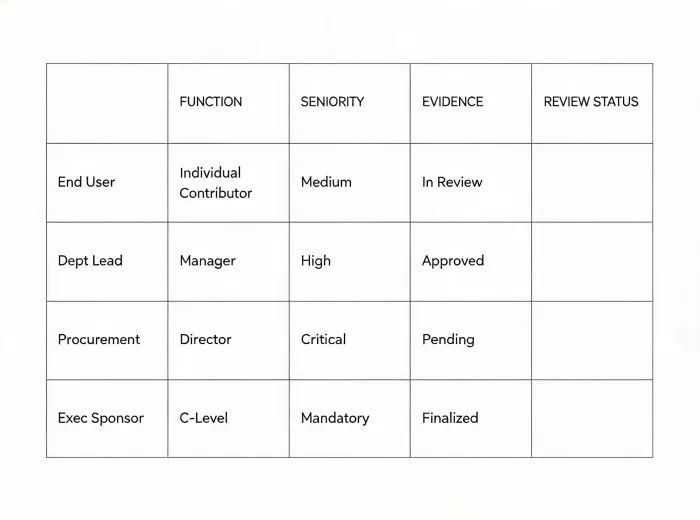
Our editorial standard is designed for revenue leaders, RevOps teams, GTM engineers, and SDR managers who need company discovery they can challenge. Research begins with explicit definitions and ends with a human decision. Between those points, the workflow preserves domain identity, event dates, source context, uncertainty, and exclusions.
This approach is deliberately conservative. It will produce fewer confident-looking answers when evidence is incomplete, but it gives reviewers a clearer basis for correction and governance.
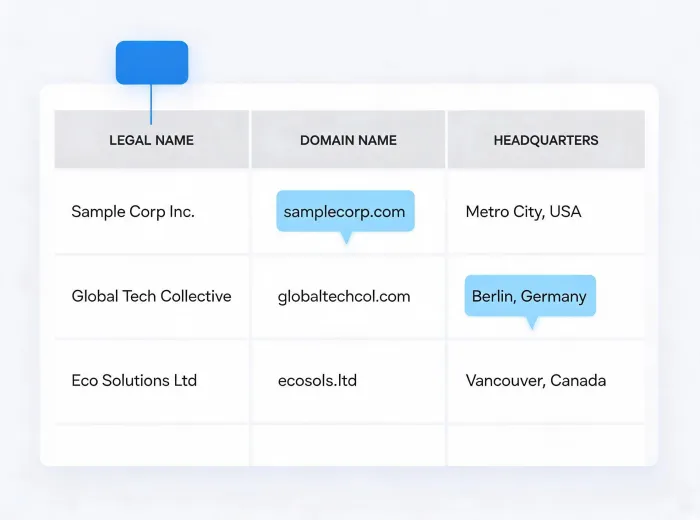
A checklist for names, domains, locations, subsidiaries, and conflicting events.
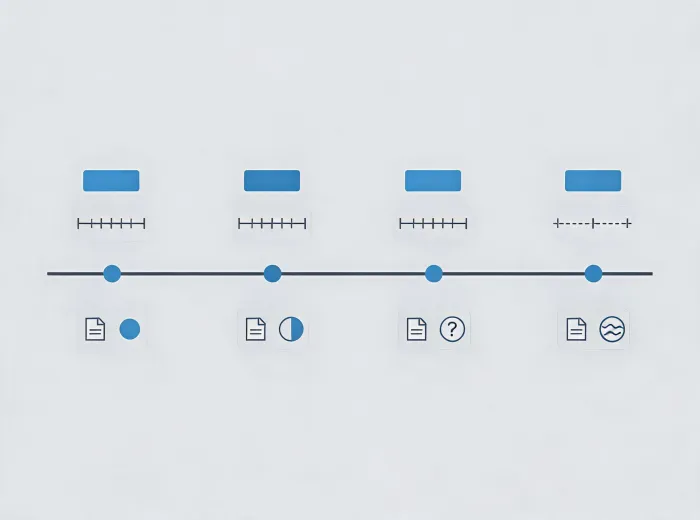
A framework for separating observed organizational change from an unverified commercial conclusion.
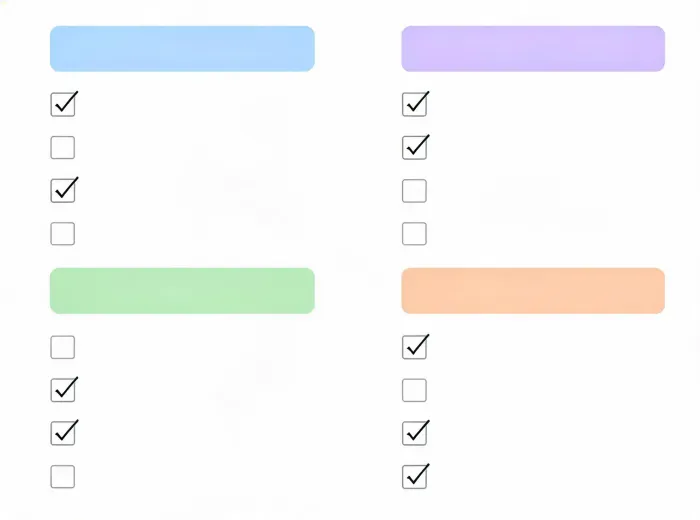
A record of relevance, verification, suppression, opt-out, and regional communications checks.
Choose known positives, known exclusions, ambiguous identities, and stale events. Record why each result passes or fails before expanding the workflow.
A useful test set includes companies with recent name changes, shared brand names, subsidiaries, redirected domains, conflicting headquarters, and events reported on different dates. These cases reveal whether the workflow preserves disagreement or collapses it too early.
Reviewers should also record the source used, observation date, accepted field, rejected alternative, and downstream consequence. That audit trail supports correction, retention decisions, and a repeatable standard when another operator runs the same cohort.
npx -y @okki-global/okki-go-taroball